By R. Emmet Sweeney
IFC News
December 17th, 2007
Every year a slew of newspapers run trend pieces about the lack of originality in Hollywood, citing the flood of remakes and sequels. This year, the blathering reached a numbing level of regularity — as if recycling material hasn’t been the backbone of Hollywood and every other mixture of art and commerce from time immemorial. From the silent period when film serials were the rage, whether it be “The Perils of Pauline” to “Les Vampires,” to the “Charlie Chan” and “Mr. Moto” cycles of the 1930s, the “Thin Man” films of the 1940s, and all the way up to the James Bonds and Jason Bournes of today — the film business is built on regurgitation — and the key is in how it is presented rather than what. There were plenty of imaginative retreads this year. Here’s a list of my five favorites.
Two Wrenching Departures
Directed by Ken Jacobs
A devastating memorial to the physical presences of dearly departed friends (and former collaborators), Ken Jacobs’ “Two Wrenching Departures” was first presented as a live performance at the Museum of the Moving Image in 1990. After the deaths of Jack Smith (“Flaming Creatures”) and Bob Fleischner in the October of 1989, he prepared one of his Nervous System pieces, a series of improvised works featuring dual 16mm projectors that deconstruct images into writhing shards. In 2007, he rejiggered it for DV, and it’s a masterpiece. He slows down and loops individual movements to create a throbbing, elegiac ode to the expressive power of gesture and of cinema itself.
I Think I Love My Wife
Directed by Chris Rock
One of the most intelligent Hollywood films of the year was, sadly, one of the worst reviewed. No matter, as this remake of Eric Rohmer’s “Chloe in the Afternoon” (1973) will last longer than any number of pithy pans. In updating Rohmer’s elegant classic, Rock artfully honors the spirit of the original while infusing it with his own acidic wit and an especially insightful examination of black middle-class life. Rock’s dilemma of whether to enter into an affair with an ex-flame or stay true to his wife is pure cliché, yet his treatment of it drips with ambiguity — as his faithfulness is borne almost as much out of maintaining his social status as it is out of love. Filled with pungent vulgarities and an ending of shocking sublimity, it’s a viciously underrated work of art.
3:10 to Yuma
Directed by James Mangold
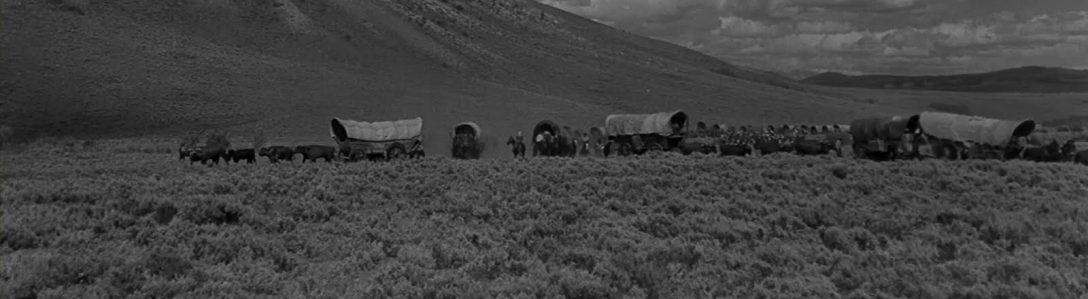
James Mangold’s crisp western is a textbook example of how to successfully update a Hollywood classic by expanding the original without cheapening it. Delmar Daves’ 1957 original is a taut psychological duel fought with words in a cramped hotel room. The remake enlarges the scope to include a few more chases and gunfights to fulfill the whiz-bang needs of modern audiences, but all of it emerges organically from the original film’s plot and much of it deepens the theme of masculine pride. Anchored by nuanced, gritty performances from Russell Crowe and Christian Bale, this is top shelf entertainment — an oater that doesn’t feel out of place alongside the Manns, Boettichers, and Fords.
Belle Toujours
Directed by Manoel de Oliveira
A slender sequel to Luis Bunuel’s “Belle du Jour” (1967), “Belle Toujours” focuses on aging cad Henri Husson, a role reprised by Michel Piccoli. Piccoli, whose bird-like intensity has turned jowly and ruminative, takes a leisurely tour around Paris, searching town for Severine, the blond trophy wife and occasional prostitute he knew those many years ago. It’s an offhandedly graceful essay on aging, as Husson remembers the sexual escapades of his youth and wistfully glances at an oil painted nude. When he finally catches up with Severine (now played by Bulle Ogier, replacing Catherine Deneuve), he finds he still has the energy left for one more act of deviltry — and de Oliveira doffs his cap to Bunuel with a final, surreal visual flourish.
Live Free or Die Hard
Directed by Len Wiseman
A welcome blast of muscular irrationality, this immensely entertaining fourth entry in the “Die Hard” franchise finds John McClane once again caught in the path of a wily psycho about to wreak havoc during a national holiday — only this time, it’s Independence Day. Fully aware of McClane’s superfluity in an age of remote-controlled missiles, Wiseman and screenwriter Mark Bomback have created a self-reflexive spectacle that cracks so wise even the big action blowups seem to be shot with a giant smirk. This frees them to think up the most outrageous stunts possible, including a taxicab missile and a duel between a big rig and a fighter plane. Reality is of no concern, and with Willis willing to play along, the narrative percolates even when things don’t go boom.

 R. Emmet Sweeney